
Top 10 AV Technologies Businesses Are Adopting in 2025
Top 10 AV Technologies Businesses Are Adopting in 2025
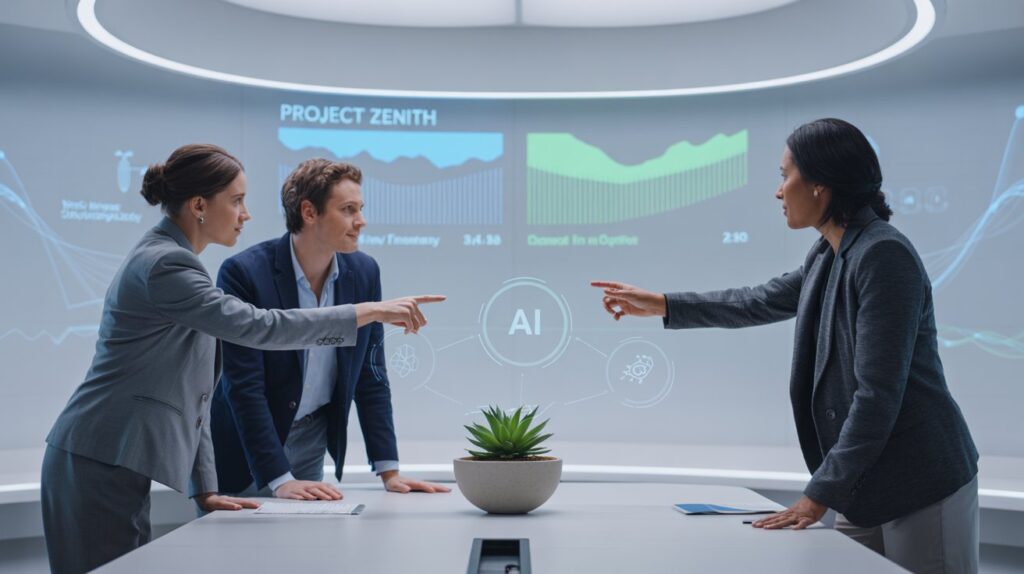
As businesses around the globe adapt to new work models, the demand for seamless, smart, and scalable audio-visual (AV) solutions has skyrocketed. In 2025, the AV industry continues to evolve rapidly, with a surge in intelligent automation, immersive experiences, and hybrid collaboration tools.
Whether you’re designing a next-gen boardroom or planning a digital signage network, staying ahead of the curve means knowing what technologies are shaping the future of AV integration.
In this blog, we explore the top 10 AV technologies businesses are adopting in 2025, and how these innovations are driving better communication, engagement, and ROI across industries.
- AI-Powered Video Conferencing Systems
Artificial Intelligence (AI) is at the core of modern video conferencing systems. Solutions like Poly Studio AI, Cisco Webex AI, and Zoom Rooms now feature real-time facial tracking, auto-framing, and noise suppression. AI optimizes camera angles, lighting, and voice clarity, ensuring every remote meeting feels professional and seamless.
- Unified Communication and Collaboration Platforms (UCC)
Businesses in 2025 are heavily investing in Unified Communication and Collaboration (UCC) platforms that integrate video, voice, messaging, and screen sharing into one interface. Microsoft Teams Rooms and Google Meet hardware kits are becoming staples in hybrid work environments, offering flexibility and ease of use.
UCC platforms help AV integrators deliver scalable, consistent user experiences across global offices.
- BYOD-Friendly AV Systems
The Bring Your Own Device (BYOD) model is here to stay. Companies are adopting BYOD-compatible AV setups to allow employees, clients, and guests to connect easily with minimal setup time. Wireless presentation tools like Barco ClickShare and Mersive Solstice are making huddle rooms smarter and more user-friendly.
- Interactive Touch Displays & Digital Whiteboards
Engagement is critical in both corporate and education sectors. Interactive displays like Samsung Flip, Microsoft Surface Hub 2S, and Google Jamboard are being deployed in meeting rooms, classrooms, and training centers. These tools make brainstorming, annotating, and real-time collaboration more dynamic.
- AV-over-IP Infrastructure
AV-over-IP (Audio-Visual over Internet Protocol) is revolutionizing how AV content is distributed. It offers greater flexibility, scalability, and cost-efficiency compared to traditional matrix switchers. This technology is ideal for large campuses, stadiums, and corporate offices where high-quality AV needs to be routed across different zones.
AV-over-IP also aligns perfectly with centralized control systems and cloud-based management.
- Immersive Audio Solutions
Gone are the days of basic stereo speakers in boardrooms. Immersive audio setups using beamforming microphones, DSPs (Digital Signal Processors), and spatial audio are making meetings feel more lifelike and engaging. Brands like Shure, Biamp, and QSC are leading the charge in this domain.
In hospitality and retail, immersive sound is being used to create memorable guest experiences.
- Cloud-Based AV Management
Remote monitoring and control of AV systems is becoming a necessity rather than a luxury. Cloud-based AV management platforms allow IT and facilities teams to monitor performance, push updates, and troubleshoot systems across multiple locations—all from a centralized dashboard.
Solutions like Crestron XiO Cloud and Extron GlobalViewer Enterprise are empowering businesses to maintain AV uptime with fewer on-site visits.
- LED Video Walls & Direct View Displays
LED video walls have become more affordable, scalable, and visually stunning. From lobbies to control rooms to conference centers, businesses are replacing projector screens with direct-view LED displays for better brightness, clarity, and impact.
In 2025, microLED and fine-pitch LED technology will enhance resolution while reducing power consumption.
- Room Automation and Control Systems
Modern AV systems are being paired with smart room control interfaces. Using touch panels, mobile apps, or voice commands, users can control lighting, temperature, blinds, and AV equipment. Brands like Crestron, AMX, and Control4 offer integrated ecosystems that are intuitive and scalable.
Such automation not only improves efficiency but also contributes to a more professional and user-friendly environment.
- Sustainable & Energy-Efficient AV Tech
Sustainability is a key concern in 2025, and the AV industry is responding with energy-efficient hardware, eco-friendly materials, and smart power management. From displays with auto-brightness sensors to systems that shut down when not in use, green AV is more than a trend, it’s a business imperative.
Organizations are also looking at AV solutions that support remote collaboration, reducing the need for travel and lowering carbon footprints.
Final Thoughts
The landscape of business AV technology in 2025 is dynamic and innovation-driven. As organizations strive to create smarter workspaces, the integration of cutting-edge AV systems plays a pivotal role. Whether you’re a facilities manager, IT head, or a business owner, understanding and leveraging these top AV technologies can give your organization a strategic edge.
Partnering with an experienced AV integration provider ensures your system is not only future-ready but also aligned with your business goals.
Want to Upgrade Your AV Infrastructure?
At Presentation People, we specialize in tailored AV solutions for boardrooms, hybrid workspaces, retail, education, and beyond. Let’s design the future together, get in touch for a free consultation today.