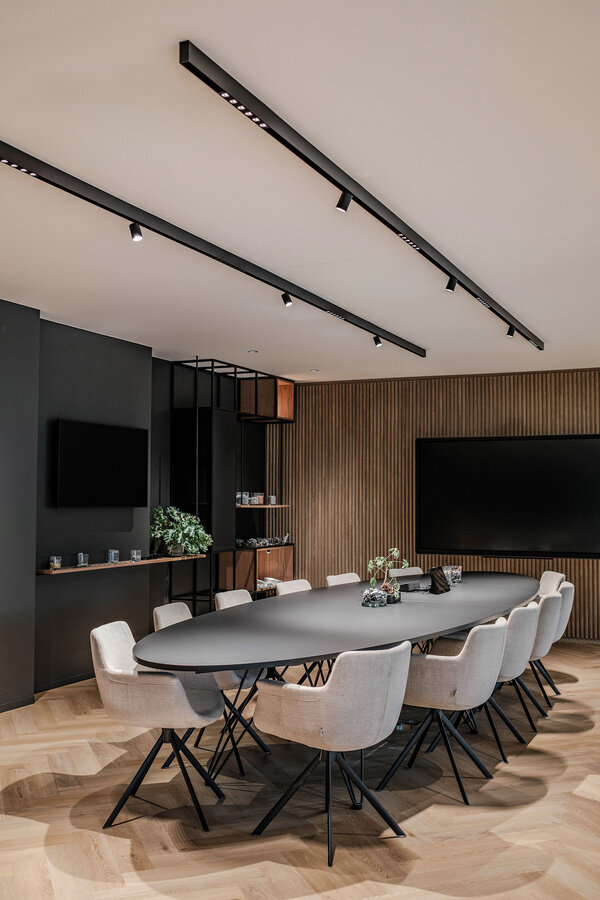
Choosing the right microphone for meeting rooms is crucial for ensuring clear communication and a productive environment. With various types of microphones available, each with its own strengths and weaknesses, selecting the perfect one can be daunting. This article will guide you through the essential factors to consider and help you make an informed decision.
Understanding the Types of Microphones
There are several types of microphones used in meeting rooms, each suited to different needs and environments. Here are the most common ones:
- Lavalier Microphones
Lavalier microphones, also known as lapel mics, are small, clip-on microphones that attach to the speaker’s clothing. They are ideal for presenters who need to move around the room freely. Lavalier mics provide consistent audio quality regardless of the speaker’s position.
Pros:
- Discreet and portable
- Consistent audio quality
- Hands-free operation
Cons:
- Limited range
- Potential for clothing noise
- Tabletop Microphones
Tabletop microphones are placed on the conference table and are suitable for small to medium-sized meeting rooms. They can be omnidirectional, picking up sound from all directions, or unidirectional, capturing sound from a specific direction.
Pros:
- Easy to set up and use
- Suitable for multiple speakers
Cons:
- Can pick up ambient noise
- Limited mobility for speakers
- Ceiling Microphones
Ceiling microphones are mounted on the ceiling and provide a clean, clutter-free table. They are ideal for medium to large meeting rooms and offer excellent coverage without obstructing the view.
Pros:
- No table clutter
- Wide coverage area
- Minimal interference
Cons:
- – Complex installation
- – Potential for reduced sound quality in larger rooms
- Beamforming Microphones
Beamforming microphones use advanced technology to focus on the speaker’s voice while minimizing background noise. They are suitable for large conference rooms and boardrooms where high audio quality is essential.
Pros:
- – Superior audio quality
- – Effective noise cancellation
- – Wide coverage
Cons:
- – Higher cost
- – Requires professional installation
- Handheld Microphones
Handheld microphones are versatile and can be passed around the room, making them suitable for Q&A sessions and interactive meetings. They can be wired or wireless, depending on your needs.
Pros:
- – High audio quality
- – Flexibility in use
- – Suitable for interactive sessions
Cons:
- – Requires someone to hold the microphone
- – Can be distracting for some speakers
Factors to Consider When Choosing a Microphone
When selecting a microphone for your meeting room, consider the following factors:
- Room Size and Layout
The size and layout of your meeting room significantly impact the type of microphone you should choose. For small rooms, tabletop or lavalier microphones might suffice. In contrast, larger rooms may require ceiling or beamforming microphones to ensure everyone is heard clearly.
- Number of Participants
The number of participants in your meetings will also influence your choice. Tabletop microphones are ideal for small groups, while beamforming microphones are better suited for larger groups. If you have a dynamic environment where participants frequently speak, handheld microphones might be the best option.
- Type of Meetings
Different types of meetings have different audio requirements. For example, presentations benefit from lavalier microphones due to their mobility, while collaborative discussions might require tabletop microphones for ease of use. Consider the primary use of your meeting room when choosing a microphone.
- Audio Quality
High audio quality is essential for effective communication. Beamforming microphones offer superior sound quality, but they come at a higher cost. If audio quality is a priority, investing in high-end microphones can make a significant difference.
- Installation and Maintenance
Consider the ease of installation and maintenance for the microphones you choose. Ceiling microphones require professional installation, while tabletop and lavalier microphones are easier to set up. Additionally, ensure that the chosen microphones are easy to maintain and have a long lifespan.
- Budget
Your budget plays a crucial role in your decision. While high-end microphones provide better audio quality and features, they come at a higher cost. Determine your budget and find a balance between quality and affordability.
Tips for Optimizing Microphone Performance
Once you’ve selected the right microphone for your meeting room, follow these tips to optimize its performance:
- Proper Placement
Ensure that microphones are placed correctly to capture sound effectively. Tabletop microphones should be centrally located, while ceiling microphones should be evenly distributed across the room.
- Regular Maintenance
Regularly check and maintain your microphones to ensure they are functioning correctly. Clean them periodically and replace any faulty components.
- Minimize Background Noise
Choose microphones with noise-canceling features and ensure the meeting room is free from unnecessary noise sources. Consider soundproofing the room if needed.
- Use External Audio Interfaces
External audio interfaces can enhance the sound quality and provide additional control over audio settings. Invest in a good quality audio interface to complement your microphones.
- Test Before Meetings
Always test your audio setup before important meetings to identify and fix any issues. Conduct a sound check to ensure all participants can be heard clearly.
Conclusion
Choosing the right microphone for your meeting room is essential for clear communication and a productive environment. By understanding the different types of microphones and considering factors such as room size, number of participants, and budget, you can select the best microphone for your needs. Follow the tips for optimizing performance to ensure your meetings run smoothly and effectively. Investing in the right microphone setup will enhance your meeting experience and contribute to successful, efficient communication.